
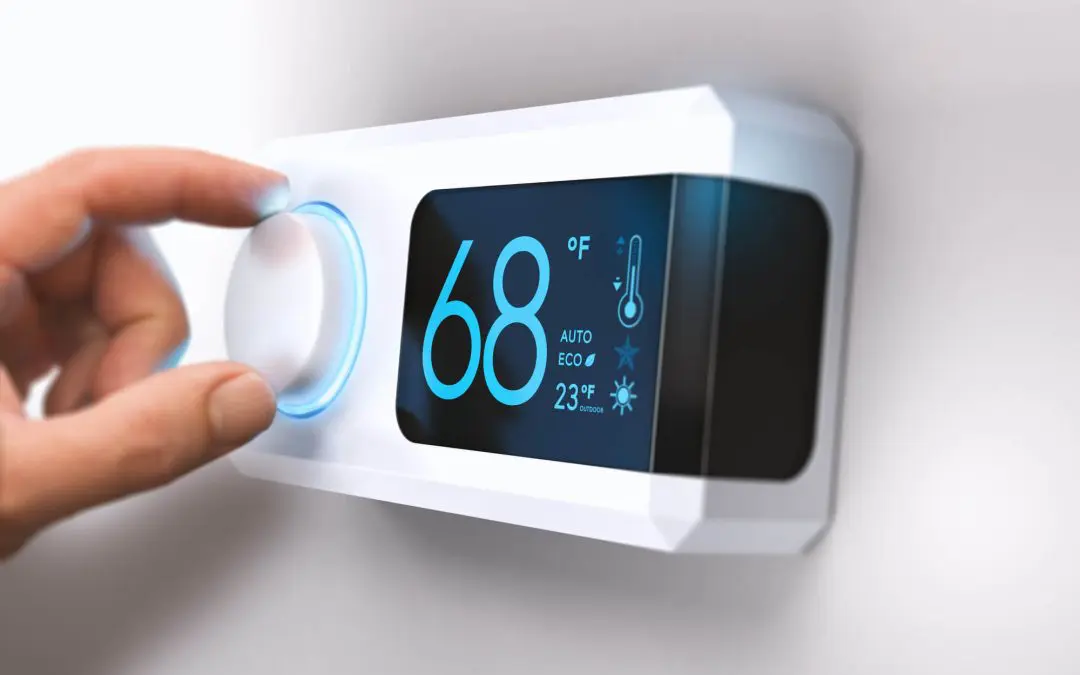
Save energy during the winter months without sacrificing comfort by understanding how cold weather affects your home and daily habits. As temperatures drop, heating systems work harder, utility bills climb, and small inefficiencies become more noticeable. With a few strategic adjustments and a proactive mindset, homeowners will save energy, reduce costs, and maintain a warm, comfortable living environment throughout the season.
Why It Matters to Save Energy This Winter
Winter places increased demand on heating systems, lighting, and appliances. When a home is not properly sealed or maintained, heat escapes easily, forcing systems to run longer and harder than necessary. Choosing to save energy is not only about lowering monthly bills but also about reducing wear on home systems and improving overall efficiency. Energy-conscious homes tend to be more comfortable, with fewer drafts and more consistent indoor temperatures. Minor improvements could make a noticeable difference over the course of the winter.
Save Energy by Improving Insulation and Sealing
One of the most effective ways to save energy is by improving insulation and sealing air leaks. Warm air naturally rises and escapes through gaps in attics, walls, windows, and doors. Even small openings allow significant heat loss over time. Proper insulation helps retain warmth, while sealing cracks and gaps prevents cold air from entering. Together, these improvements reduce strain on heating systems and help maintain stable indoor temperatures, especially during prolonged cold spells.
The Role of Heating Systems
Heating systems account for a large portion of winter energy use. Regular maintenance ensures furnaces, heat pumps, or boilers operate efficiently and safely. Dirty filters, worn components, or improper settings reduce performance and increase energy consumption. Using programmable or smart thermostats allows homeowners to save energy by adjusting temperatures when the home is unoccupied or during sleeping hours. Even small temperature adjustments could lead to meaningful savings over the course of the winter.
Preventing Heat Loss Through Windows and Doors
Windows and doors are common sources of heat loss. Older or poorly sealed units allow cold air to seep in while letting warm air escape. Curtains, blinds, and window coverings provide an additional layer of insulation, especially at night. Keeping doors closed between heated and unheated areas also helps direct warmth where it is needed most. These simple habits support efforts to save energy without major upgrades.
Daily Habits That Help Save Energy
Everyday routines play a role in winter energy use. Turning off lights in unused rooms, unplugging electronics when not in use, and running appliances efficiently all contribute to lower consumption. Using energy-efficient lighting and appliances further enhances savings. Hot water usage also impacts energy bills. Reducing water heater temperatures slightly and being mindful of hot water use will help homeowners save energy while still meeting daily needs.
Moisture Control and Energy Efficiency
Managing indoor moisture levels helps maintain comfort and efficiency. Excess humidity can make rooms feel colder, prompting higher thermostat settings. Proper ventilation and humidity control help balance indoor air and improve perceived warmth. When moisture is controlled, heating systems operate more efficiently, and the home feels more comfortable at lower temperatures. This supports long-term efforts to save energy throughout the winter season.
Creating Consistent Energy Savings
Consistent energy savings come from ongoing attention. Regular inspections, timely maintenance, and awareness of how the home performs in different conditions help homeowners identify inefficiencies early. Addressing minor issues as they arise supports better system performance, reduces unnecessary energy use, and minimizes the risk of unexpected repairs or sudden increases in utility costs.
By making informed choices and adjusting both home systems and daily habits, homeowners will save energy this winter while staying warm, comfortable, and in control of energy costs.
Frequently Asked Questions (FAQs)
What is the easiest way to save energy during winter?
Sealing air leaks and using a programmable thermostat are among the simplest and most effective ways to save energy without major renovations.
Does lowering the thermostat really make a difference?
Yes, even lowering the thermostat by a few degrees can reduce energy use significantly over time, especially during extended cold periods.
Are space heaters a good way to save energy?
Space heaters can be useful for small areas, but relying on them heavily may increase energy costs and pose safety concerns if not used properly.
How does insulation help?
Insulation slows heat transfer, keeping warm air inside during winter. This reduces the need for heating systems to run continuously.
Should energy-saving efforts stop once winter ends?
No, many energy-saving habits benefit homeowners year-round by improving efficiency, comfort, and system longevity.
TUFF Home Inspections provides termite inspection services in New Jersey. Contact us to book an appointment.