
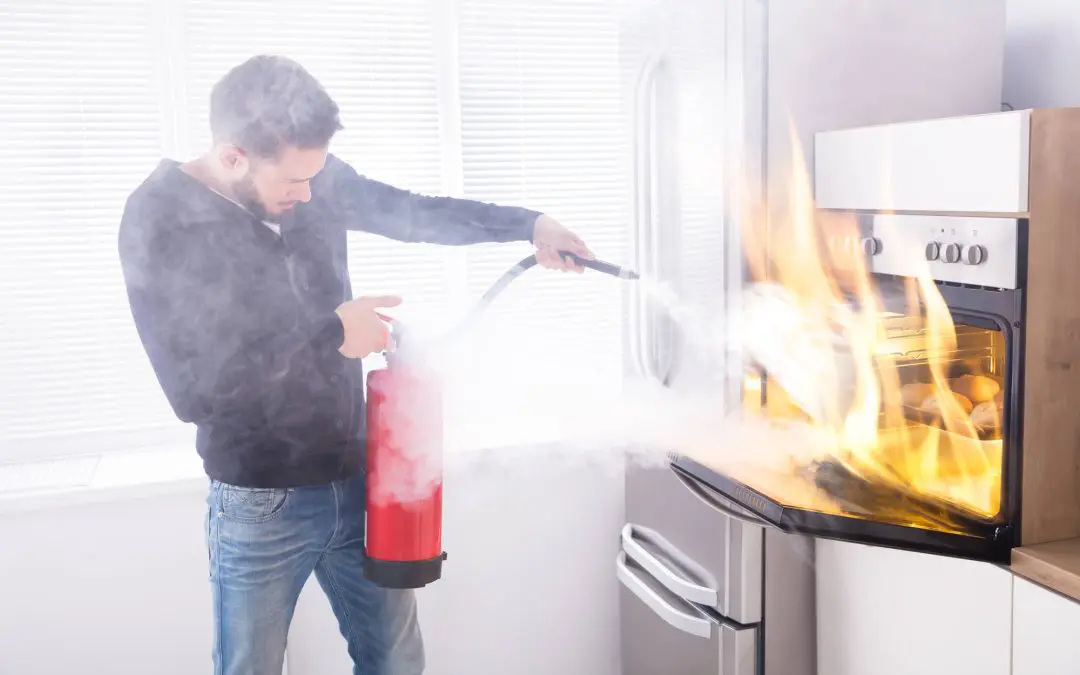
Fire safety is one of the most important yet often overlooked aspects of homeownership. A small spark could quickly turn into a devastating situation, but the good news is that most house fires are preventable. By understanding risks, maintaining key systems, and adopting a few practical habits, homeowners will significantly reduce the chances of a fire and protect their property and loved ones.
Understanding Fire Risks in Everyday Life
Every home contains potential fire hazards, many of which hide in plain sight. Kitchens remain the leading source of house fires, often due to unattended cooking or grease flare-ups. Electrical issues, such as overloaded outlets or outdated wiring, are another major cause. Heating equipment, candles, and even smoking indoors also increase fire risk. Fire safety starts with awareness. Recognizing these everyday hazards allows homeowners to take preventive action before a problem begins. Simple vigilance, like staying in the kitchen while cooking or keeping flammable items away from heat sources, make a meaningful difference.
Fire Safety Essentials Every Home Should Have
A well-prepared home is a safer home. Smoke alarms are the first line of defense and should be installed on every level of the house, especially near sleeping areas. Regular testing ensures they work when needed, and batteries should be replaced at least once a year. Fire extinguishers are another essential component of fire safety. Keeping one in the kitchen and knowing how to use it will help stop small fires from spreading. In addition, homeowners should consider installing carbon monoxide detectors, which provide protection against another invisible threat. Maintaining these devices is just as important as having them. A non-functioning smoke alarm or an expired fire extinguisher will create a false sense of security.
Fire Safety in the Kitchen: Prevention Starts Here
The kitchen is often called the heart of the home, but it is also the most common place for fires to start. Practicing fire safety in the kitchen involves staying attentive while cooking, especially when using oil or high heat. Leaving food unattended on the stove is a leading cause of fires. Keeping flammable items such as paper towels, oven mitts, and wooden utensils away from burners reduces risk. It is also wise to turn pot handles inward and keep a lid nearby to smother small grease fires if they occur. Cleanliness plays a role as well. Built-up grease can ignite quickly, so regular cleaning of stovetops, ovens, and range hoods is essential for maintaining fire safety.
Electrical Fire Safety Tips for Homeowners
Electrical systems are a hidden but significant source of fire hazards. Overloaded power strips, frayed cords, and outdated wiring can all lead to dangerous situations. Fire safety in this area involves both caution and maintenance. Avoid plugging too many devices into a single outlet and use surge protectors when necessary. Damaged cords should be replaced immediately rather than patched or taped. If lights flicker or breakers trip frequently, it may be time to consult a qualified electrician. Modernizing older electrical systems can also improve fire safety. While it may require an upfront investment, it significantly reduces long-term risks.
Creating a Fire Escape Plan
Even with the best precautions, emergencies can still happen. That is why every household needs a clear and practiced escape plan. Fire safety is not just about prevention but also about preparedness. An effective plan includes identifying two exits from every room, designating a safe meeting point outside, and ensuring that all household members understand the procedure. Practicing the plan regularly helps everyone respond quickly and calmly in an emergency. Special consideration should be given to children, elderly family members, and pets. Ensuring that everyone can exit safely is a key part of a comprehensive fire safety strategy.
Fire Safety Maintenance Habits That Make a Difference
Consistent maintenance is the backbone of effective fire safety. Seasonal checks of heating systems, chimneys, and ventilation systems help prevent issues before they escalate. Lint buildup in dryer vents is another common but preventable fire hazard. Safe storage of flammable materials, such as cleaning products or fuels, also plays a role. These items should be kept in cool, well-ventilated areas away from heat sources. By building simple maintenance routines, homeowners will create a safer living environment without major disruptions to daily life.
Frequently Asked Questions (FAQs)
What is the most common cause of house fires?
Cooking-related incidents are the leading cause, particularly unattended cooking or grease fires.
How often should smoke alarms be tested?
Smoke alarms should be tested at least once a month and batteries replaced annually or as needed.
Where should fire extinguishers be placed?
At a minimum, one should be kept in the kitchen, but additional units in garages and near bedrooms can improve fire safety.
Is it necessary to have an escape plan for small homes?
Yes, fire safety planning is important for all homes regardless of size. Fires can spread quickly, and having a plan saves valuable time.
Can electrical appliances cause fires even when not in use?
Yes, faulty wiring or damaged components can pose a risk even when appliances are turned off but still plugged in.
TUFF Home Inspections offers home inspections in New Jersey. Contact us to request an appointment.