
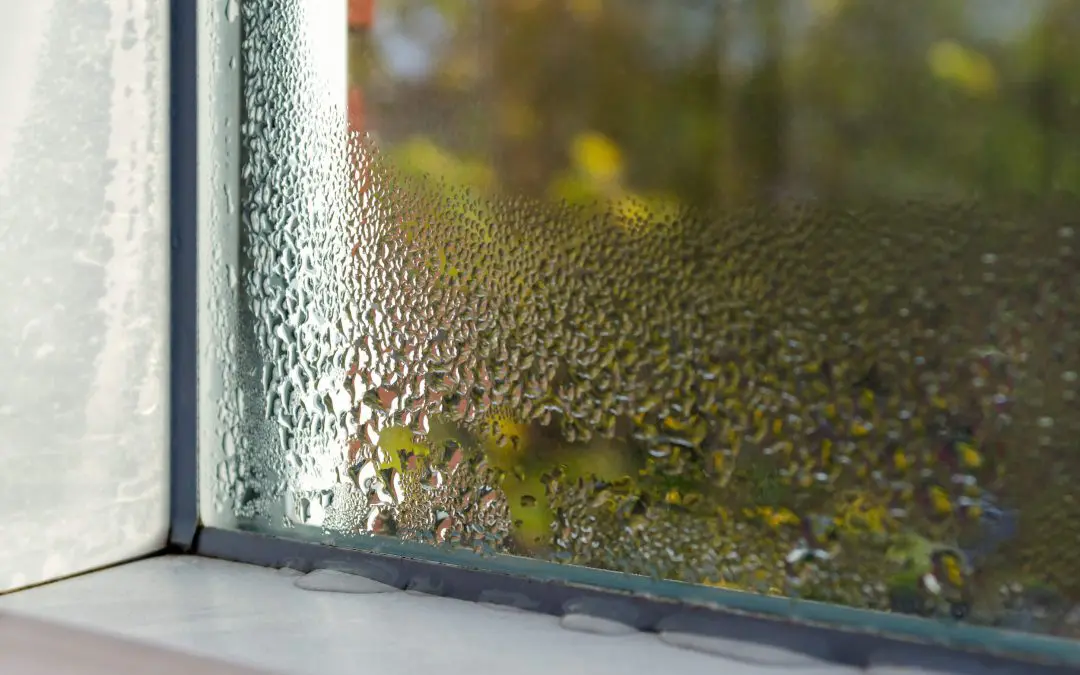
The water that forms on windows, pipes, and walls isn’t random. It’s the result of specific, manageable conditions: warm, humid air meeting a surface cold enough to bring the moisture out of suspension. Left unaddressed, those conditions produce mold growth, wood rot, peeling paint, damaged insulation, and structural deterioration that are significantly more expensive to repair than the habits that would have prevented them. Preventing condensation is a moisture management problem that responds well to consistent, targeted attention.
Preventing Condensation Through Humidity Control
Indoor relative humidity is the primary variable in any condensation equation, keeping it within the right range is the most direct approach to preventing condensation throughout the home. When indoor humidity exceeds 50 to 55 percent, condensation risk on cold surfaces increases significantly. The target range for prevention while maintaining comfort is between 30 and 50 percent relative humidity, measured with an inexpensive hygrometer placed in any room of concern. In winter, heating dry outdoor air typically keeps indoor humidity low without active management. In summer air conditioning removes moisture as it cools the air, but a standalone dehumidifier in the basement or crawl space may be necessary to keep below-grade spaces within the appropriate range.
Ventilation: The Strategy Most Homes Underuse
Ventilation removes moisture-laden air from the home before it reaches a cold surface and condenses. The rooms that generate the most moisture are the bathroom and kitchen, and the ventilation in each is the first line of defense against condensation in those spaces and the areas adjacent to them. A bathroom exhaust fan that vents to the exterior, not into the attic, and runs during and for at least 15 minutes after every shower removes steam before it can condense on walls, mirrors, and ceilings. A kitchen exhaust fan used during cooking captures the moisture generated before it distributes through the home. These two ventilation habits have the most direct impact on preventing condensation in the areas where it most commonly originates.
The Physical Side of Preventing Condensation
Condensation forms on surfaces that are cold enough to bring moisture out of the air, which means preventing condensation also requires attention to why certain surfaces are cold in the first place. Thermal bridging, the transfer of cold through structural elements like metal fasteners, window frames, and inadequately insulated wall assemblies, creates cold spots on interior surfaces that are condensation magnets regardless of how well the humidity is managed. Improving window insulation is the most visible intervention in this category. Double-pane low-e glass maintains a warmer interior surface temperature than single-pane glass, dramatically reducing the condensation that appears on windows during cold weather. Insulating cold water pipes in unconditioned spaces prevents the sweating that occurs when humid air contacts pipe surfaces below the dew point. Addressing wall insulation deficiencies that create cold spots on interior wall surfaces eliminates the surface temperature conditions that make condensation inevitable even when humidity is controlled.
Frequently Asked Questions (FAQs)
Is condensation on windows always a sign of a problem?
Occasional condensation on the exterior of windows during humid summer mornings is normal. Condensation on the interior surface during cold weather indicates indoor humidity is too high, the window’s insulating performance is inadequate, or both. Condensation between the panes of a double-pane window indicates a failed sealed unit that requires glass replacement.
How do I know if my home’s humidity is too high?
A hygrometer placed in any room of concern provides the most reliable reading. Readings consistently above 55 percent during cold weather indicate conditions that will produce condensation. Visual indicators include window condensation, water droplets on cold pipes, musty odors in enclosed spaces, and mold growth at wall-ceiling intersections or in closets on exterior walls.
Can condensation cause mold growth and how quickly?
Yes, mold can establish in wet building materials within 24 to 48 hours under the right conditions. Surfaces that experience repeated condensation are persistently in the moisture range that supports mold growth. Preventing condensation on these surfaces is the most direct mold prevention strategy available.
Does cooking and showering really contribute significantly to indoor condensation?
Yes, a typical shower can introduce half a pint of water vapor into the air; cooking a meal can introduce several times that. In a tightly sealed home without adequate exhaust ventilation, this moisture accumulates and distributes to wherever cold surfaces exist. Exhaust fans during and after both activities are among the most cost-effective investments in prevention measures available to any homeowner.
What is the role of a vapor barrier in preventing condensation?
A vapor barrier, typically a polyethylene sheet installed in crawl spaces or below concrete slabs, reduces moisture migration from the soil into the building assembly. In a crawl space, it significantly reduces the evaporation that raises humidity and contributes to condensation on floor framing above. In wall assemblies in cold climates, a vapor retarder on the warm side of the insulation reduces moisture that migrates into the wall cavity where it can reach cold surfaces and condense. The appropriate specification depends on the climate zone and wall assembly.
TUFF Home Inspections offers home inspections in New Jersey. Contact us to request an appointment.