
Storage solutions are most effective when matched to the specific problem of a specific room rather than applied universally. Generic advice about buying more bins and baskets produces a home with more containers, not fewer storage problems. The most useful storage solutions are designed around how a particular room is actually used, what accumulates there, why it accumulates, and what’s needed to make items both stored and retrievable with minimal effort. A room-by-room approach produces results that feel tailored rather than managed, because they are.
Starting With the Right Framework for Storage
Before purchasing anything, the most important step in storage solutions is understanding the category and volume of what needs to be stored in each space. Storage problems fall into two types: too much stuff for the available space, or available space not organized to serve what belongs there. The solution to the first is editing, removing items until volume matches space. The solution to the second is organizational systems. Conflating the two leads to buying organizers for things that should be removed, which produces organized clutter that feels better than random clutter but still doesn’t solve the underlying problem. Once volume is addressed, storage solutions work most reliably when they follow the principle of storing things where they’re first used. Items stored at point of use get returned to their location more reliably than items stored somewhere logically distant. Proximity beats categorization for storage solutions that hold up in daily life.
Kitchen Storage Solutions That Cut Daily Friction
The kitchen and pantry are where storage solutions most directly affect daily friction, and where a few targeted interventions produce the most noticeable improvement. Deep pantry shelves are the most common source of lost and forgotten food; items pushed to the back disappear. Turntables on each shelf level bring everything within reach with a rotation rather than a full excavation. Pull-out drawer organizers inside existing cabinet boxes accomplish the same thing; everything slides forward when the drawer opens, eliminating the dead zone. Cabinet interiors are underutilized in most kitchens. Adjustable shelving set at heights matching actual contents rather than default installation immediately improves usable volume. Stackable shelf risers double effective levels without permanent modification. The inside of cabinet doors holds spice racks, lid organizers, and small hooks that add meaningful storage without consuming any shelf space.
Bedroom Storage Solutions That Use Every Inch
Bedrooms accumulate because they serve multiple functions without dedicated storage for all of them. Closet storage that produces the most impact is almost always about vertical space. Most closets have a single hanging rod and a shelf above it. A double-hang configuration, two shorter rods stacked vertically, typically doubles hanging capacity for shirts, jackets, and folded pants. Drawer units on the closet floor replace dead floor space with actual storage for folded items. Under-bed storage is the most consistently underused bedroom storage solution. The volume beneath a standard bed frame accommodates seasonal clothing, extra bedding, luggage, and infrequently used items. Low-profile rolling bins make access easy; shallow drawers integrated into platform bed frames make under-bed storage look finished rather than improvised.
Garage Storage Solutions That Reclaim Your Space
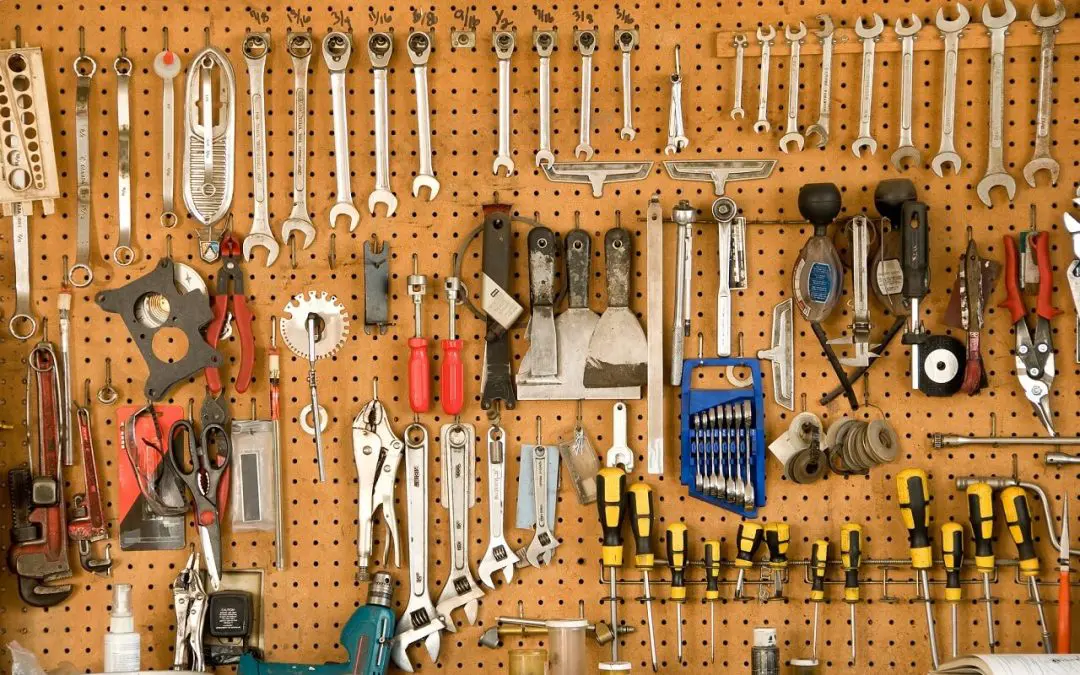
Garages fail as storage spaces not because they lack volume but because their volume isn’t organized to make items accessible without moving other items first. Wall-mounted storage systems convert open wall space into organized, accessible storage that keeps the floor clear. The floor is the most valuable real estate in a garage, and storage solutions that move items onto walls immediately improve the usability of the entire space. Overhead ceiling platforms between garage door tracks provide storage for large, infrequently accessed items without consuming any wall or floor space. Labeled, clearly organized containers on overhead platforms prevent the out-of-sight, out-of-mind problem that makes overhead storage a dumping ground rather than a functional storage solution.
Frequently Asked Questions (FAQs)
Where should I start when implementing storage solutions in my home?
Start with the space that causes the most daily friction. Completing one space fully before moving to the next is more effective than partially organizing every room, because a completed space demonstrates what working storage solutions feel like and provides motivation to continue.
How do I choose between DIY storage and purchasing a system?
DIY solutions work well for simple configurations, such as adjustable shelving, hooks, and containers, which don’t require professional installation. Purchased systems from retailers like IKEA or Elfa provide more flexibility and aesthetic consistency for closets and pantries where a cohesive system pays back in long-term usability. Custom built-ins make the most sense for permanent spaces where standard dimensions don’t fit.
What storage solutions work best for small spaces?
Vertical space is the most underutilized resource in small rooms. Storage solutions that go up add capacity without consuming floor area. Furniture with built-in storage converts existing footprint into dual-purpose storage. Consistent, uniform containers on open shelves make small spaces feel organized rather than cluttered.
How do I keep storage organized after setting them up?
Systems most likely to maintain themselves have the lowest barrier to use: open bins rather than lidded containers, hooks rather than hangers, labeled zones that make the correct location obvious. The one-in-one-out rule applied at the category level prevents the re-accumulation of excess that defeats most storage solutions within months of setup. A brief weekly reset maintains the organized state without requiring another major project.
Are expensive storage solutions worth it compared to budget options?
The container matters less than having decided what goes where. Expensive matching containers produce no better outcome than inexpensive ones if the system behind them is sound. Invest in quality for structural elements where durability and adjustability matter. Use budget containers for the fill, and replace them as preferences evolve.
TUFF Home Inspections offers home inspections in New Jersey. Contact us to request an appointment.