
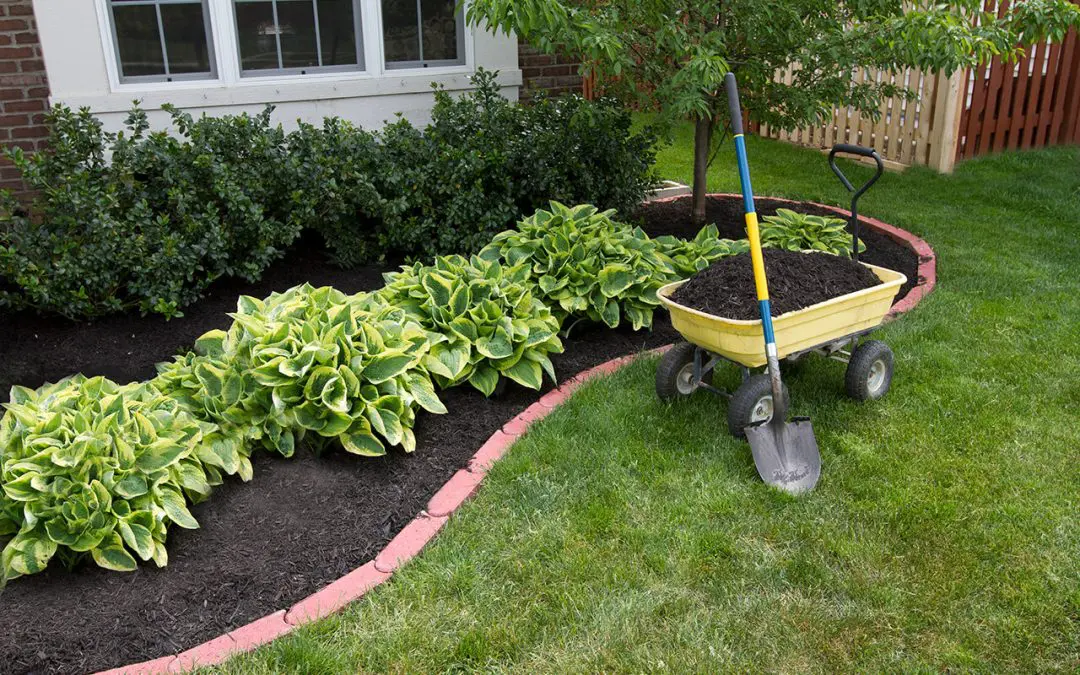
A well-designed yard does far more than look good from the street. Thoughtful landscape design adds usable outdoor living space, reduces maintenance demands, improves curb appeal, increases property value, and creates a space that works with your local climate rather than against it. Whether you’re starting from scratch with a new build or looking to transform an overgrown, shapeless yard into something intentional, the principles of good landscape design are accessible to any homeowner willing to spend time planning before planting.
Why Landscape Design Is Worth Planning Before You Plant
The most common and costly landscaping mistake is skipping the planning phase, buying plants that catch the eye at a nursery, and placing them without a cohesive vision. The result is a yard that never quite comes together, plants that outgrow their space or fail in the wrong conditions, and money spent repeatedly replacing what wasn’t right to begin with. Good landscape design starts on paper, not at the garden center. Sketching your yard to scale and noting sun exposure, drainage, and existing features gives you a real planning foundation. Understanding your soil and climate before selecting plants saves the frustration of watching expensive specimens struggle.
Start With Structure: Hardscaping and Layout
Every successful landscape design begins with structure, the hardscape elements and layout decisions that define how the space is organized before a single plant goes in. Patios, pathways, retaining walls, and garden borders establish the bones of the yard that plantings will eventually soften and fill. Defining clear zones helps. A seating area with a defined edge feels intentional and usable. A lawn with clean, curved edges is easier to mow than one with irregular, undefined boundaries. Pathways connecting the front door to key areas create a logical flow that makes the property feel designed. Proportion matters enormously in landscape design. Large specimens in small spaces look crammed; small plants in large spaces look lost. Thinking about the mature size of every plant is one of the most important habits to develop before making any planting decisions.
Plant Selection: The Heart of Landscape Design
Plant selection is where landscape design either succeeds or struggles for years. The foundational principle is to choose plants suited to your actual conditions, soil, sun exposure, moisture, and climate, rather than plants you simply love the look of. Native plants are the gold standard for resilience and low maintenance. They’re adapted to local conditions, require little supplemental watering once established, support local pollinators, and resist pests without intervention. Incorporating natives into any landscape design creates a more sustainable, lower-maintenance yard. Layering creates visual depth and year-round interest. Think in three tiers: a canopy of trees for shade and structure, a mid-layer of shrubs for mass and seasonal interest, and a ground layer of perennials, groundcovers, and mulched beds. A yard designed with all three layers looks full and intentional in every season rather than bare in winter and overgrown in summer.
Maintenance Planning Is Part of Good Landscape Design
One of the most overlooked aspects of landscape design is planning for how the yard will be maintained over time. A design that requires constant pruning, watering, and replanting to sustain itself is one that most homeowners will eventually abandon or resent. Choosing slow-growing plants that stay in bounds, grouping plants with similar water needs for efficient irrigation, mulching beds heavily to suppress weeds, and designing edges that are simple to maintain all contribute to a yard that stays manageable. A drip irrigation system eliminates the time and inconsistency of hand watering and keeps plants healthier with less effort.
Frequently Asked Questions (FAQs)
Where should I start if I want to redesign my yard from scratch?
Begin with an assessment of what you’re working with. Sketch your yard to scale and identify the primary uses you want it to support. From there, establish the hardscape structure before selecting any plants. Starting with plants before structure is the most common planning mistake in landscape design.
How do I create a cohesive landscape design with a limited budget?
Focus your budget on a few high-impact areas rather than spreading it thinly across the entire yard. The front entry and areas visible from outdoor seating offer the most visual return. Buy smaller plants in larger quantities rather than large specimen plants; they establish faster, fill in quicker, and cost significantly less per square foot. Add to the design incrementally each season rather than trying to do everything at once.
How do I choose between formal and informal landscape design styles?
The architecture of your home is the best guide. Traditional homes with symmetrical facades suit formal landscape design. Contemporary and cottage-style homes often look better with informal, flowing designs and naturalistic plant arrangements. A mismatch between home style and landscape formality tends to feel unresolved, while a complementary relationship makes both look more intentional.
Do I need a professional landscape designer or can I do it myself?
Many homeowners design and install their own landscapes successfully, particularly for smaller properties. Where professional help adds the most value is in larger properties, complex grading or drainage situations, significant hardscaping, or projects requiring permits. A single consultation with a landscape designer often pays for itself in avoided mistakes.
How long does it take for a new landscape design to mature?
Most landscape designs look their best three to five years after installation, when plants have filled their intended space and the composition has knit together visually. Mulching heavily, watering consistently during establishment, and planting at the right time of year for your climate all accelerate how quickly a new landscape design reaches its potential.
TUFF Home Inspections offers home inspections in New Jersey. Contact us to request an appointment.