
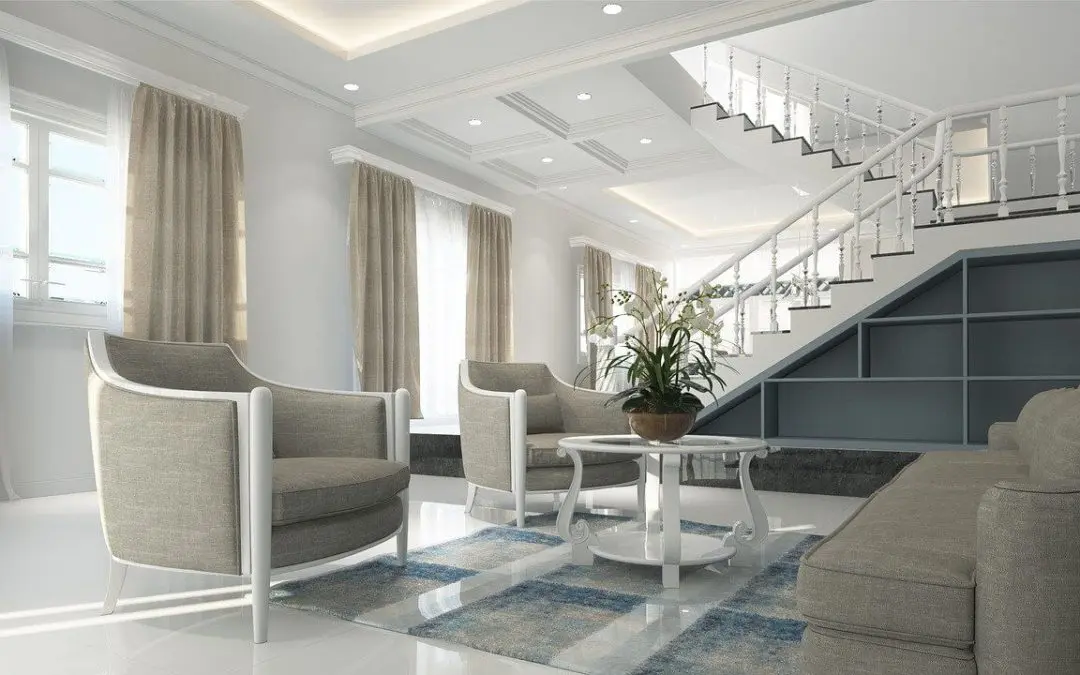
When the time comes to place your property on the market, you are no longer just selling a house; you are selling a dream, a lifestyle, and a future. Transitioning from “living mode” to “selling mode” is the primary goal of staging your home, a strategic process that involves highlighting your property’s best features while downplaying any imperfections. Many sellers mistakenly believe that staging requires a massive budget or an interior designer, but in reality, it is often about subtraction rather than addition. By following a few expert staging your home guidelines, you will create a neutral inviting canvas that allows potential buyers to envision their own furniture in the rooms and their own families in the hallways.
Depersonalizing and Decluttering When Staging Your Home
The most critical step in any successful sale is a thorough and honest decluttering phase. When you begin staging your home, you must realize that a crowded room feels significantly smaller than it actually is. Start by removing excess furniture that blocks natural walkways or covers up beautiful architectural details like bay windows or fireplaces. Beyond just clearing floor space, you need to depersonalize every room. This means packing away family photos, quirky collections, and highly specific decor that might distract a buyer from the home’s structure. You want the buyer to focus on the crown molding and the hardwood floors, not the gallery wall of your family vacation.
Maximizing Light and Flow While Staging Your Home
Lighting is one of the most powerful tools at your disposal when staging your home for photography and open houses. A dark room may feel cold or neglected, whereas a bright room feels energetic and spacious. Start by opening every curtain and blind to let in as much natural sunlight as possible. If a room still feels dim, supplement the natural light with a mix of overhead lighting, floor lamps, and table lamps to eliminate dark corners. It is also important to consider the “flow” of each room. Arrange furniture in a way that creates conversation areas and makes the purpose of each room crystal clear. A spare room should not be a catch-all for storage; instead, stage it as a clearly defined home office or a cozy guest bedroom to show the buyer exactly how the square footage could be utilized to its full potential.
Creating a Neutral and Inviting Color Palette
While you may love your bold red dining room or your child’s neon green bedroom, high-contrast colors could be a major hurdle for potential buyers who lack the imagination to see past them. One of the most effective staging your home strategies is to apply a fresh coat of paint in a sophisticated neutral tone, such as a warm “greige” or a soft white. Neutral walls act as a blank slate, making the home feel newer and cleaner while reflecting light more efficiently. To prevent the space from feeling sterile, you can add “pops” of color and texture through accessories like plush throw blankets, pillows, or a vase of fresh flowers. These small, tactile details add warmth and a sense of “home” without overwhelming the viewer’s senses or clashing with their personal style.
Enhancing Curb Appeal and Exterior Staging
First impressions are formed the moment a buyer pulls up to the curb, which makes exterior staging just as vital as the interior. You want your home to look move-in ready before the buyer even steps through the front door. Mow the lawn, trim the hedges, and replace any dead plants with vibrant greenery. A freshly painted front door in a classic color like navy blue or charcoal grey will serve as a welcoming focal point. Additionally, consider the small details that signal a well-cared-for home, such as a new welcome mat, polished house numbers, and clean windows. By extending your staging efforts to the exterior, you build a sense of excitement and trust that carries through the rest of the tour.
Frequently Asked Questions (FAQs)
Is it necessary to stage every single room in the house?
While staging the entire home is ideal, it is not always practical. If you are on a limited timeline or budget, focus your efforts on the “power rooms” that have the biggest impact on a buyer’s decision. This usually includes the living room, the kitchen, and the primary bedroom.
Should I leave my home empty or keep it furnished while selling?
Research generally shows that furnished homes sell faster and for more money than empty ones. If you have already moved out, consider hiring a staging company to bring in a few key pieces of furniture to “anchor” the main rooms and provide a sense of warmth and scale.
How can I stage my kitchen without a full renovation?
Clear everything off the countertops except for one or two high-end items, like a designer espresso machine or a bowl of fresh fruit. If your cabinets look dated, a fresh coat of paint and new modern hardware will work wonders. Ensure the sink is spotless and that all appliances are gleaming, as cleanliness is often interpreted by buyers as a sign of a well-maintained home.
How do I handle pet odors and clutter while staging?
When your home is on the market, it is best to hide all evidence of pets during showings. This includes tucking away food bowls, leashes, and pet beds. To handle odors, avoid heavy perfumes or air fresheners. Instead, use an air purifier and have all soft surfaces like rugs and curtains professionally cleaned. Deep cleaning is the only way to truly eliminate odors rather than just masking them.
TUFF Home Inspections offers home inspections in New Jersey. Contact us to request an appointment.